Australian Bureau of Statistics is urging everyone in Australia to complete the 2026 Census ahead of Census night. This year, Census night is on Tuesday, 11 August. Participation is compulsory, and everyone staying in Australia that night must be included, regardless of citizenship or visa status.
Census instructions arriving across Australia
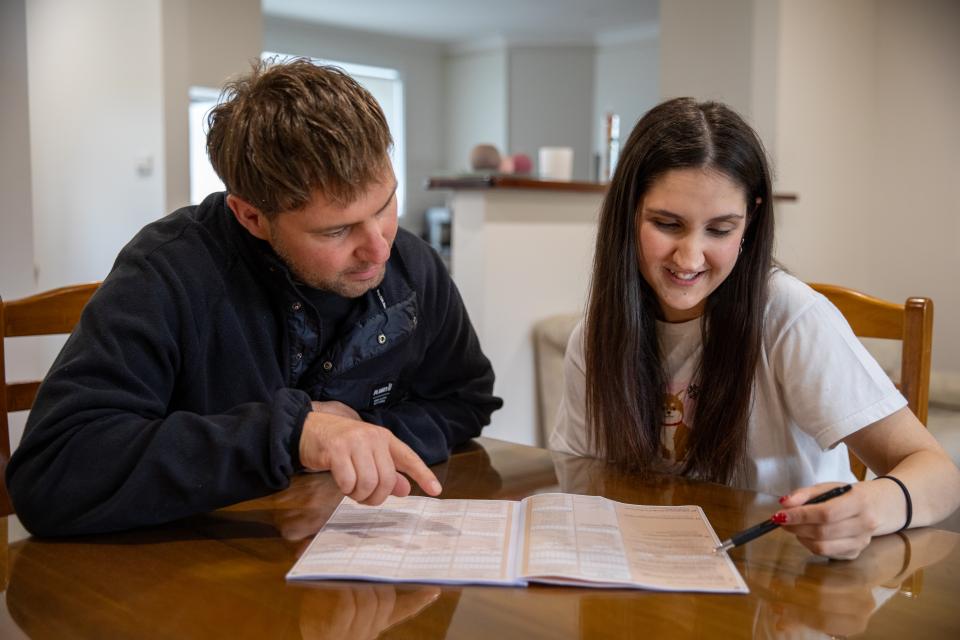
Most households should now have received a letter explaining how to complete the Census online. Some homes may instead receive a paper form or a visit from a Census Field Officer.
People do not have to wait until Census night. Anyone who knows where they will be staying on 11 August can complete the form after receiving their instructions.
“While many households have completed their Census already, we’re urging those who haven’t to do so as soon as possible,” Census national spokesperson Emily Walter said.
“You don’t have to wait until Census night.”
The ABS estimates that completing the Census takes an average household about 30 minutes.
International students, visitors and visa holders included
Everyone present in Australia on Census night must be recorded on a Census form. This includes people in Norfolk Island, the Cocos (Keeling) Islands and Christmas Island.
People who must be counted include:
- Australian citizens and permanent residents
- International students
- Temporary visa holders
- Tourists and other international visitors
- Babies and children
- People travelling or staying away from their usual home within Australia
People who are overseas on Census night do not need to be included. Those travelling within Australia should complete the Census based on where they are staying that night.
The ABS has published specific Census guidance for migrants, refugees and international visitors.
Completing the Census is compulsory
Participation is required under the Census and Statistics Act 1905. The ABS says it will first contact households that have not returned a form and encourage them to participate.
If a person continues not to respond, the Australian Statistician may issue a written direction requiring the Census to be completed. This is a formal legal instruction.
Failure to comply with that direction is an offence. A person can be prosecuted and fined up to $364 for each day the Census remains incomplete after the required deadline.
Knowingly giving false or misleading information is also an offence and can attract a fine of up to $3,640.
These penalties do not generally apply simply because a form is returned late. The daily fine relates to failing to comply after receiving a formal direction from the ABS. The obligations and offences are explained in the official ABS compulsory participation guidance and the Census and Statistics Act 1905.
Your every answer matters
Census results provide a detailed picture of Australia’s population, households and living conditions. Governments, councils, community organisations and businesses use the data when planning transport, schools, healthcare, infrastructure and local services.
“By participating, we can contribute to an accurate snapshot of multicultural Australia, who we are, the languages we speak, and how we live,” Ms Walter said.
For growing communities, including the Nepalese community, accurate answers about ancestry, country of birth and languages spoken at home help show where communities live and what services they may need.
Language assistance is available
Support is available in person, online and by telephone. Translated information is also available.
People who prefer to communicate in another language can call the Translating and Interpreting Service on 131 450 and ask to be connected with the Census service.
Census answers are protected by law
Personal Census information must be stored securely and cannot be released in a way likely to identify a person or household.
Under the Act, identifiable Census information cannot be provided to other government agencies, including immigration authorities, Centrelink or police. The legislation also prevents identifiable Census records from being disclosed to courts or tribunals during the protected period.
Further information is available through the ABS multicultural Census information page.