


Help Nepal Network (HeNN), one of the largest volunteer-run philanthropic organisations focused on Nepal, has urged Nepalis around the world to embrace what it calls “practical philanthropy”—steady, thoughtful support that turns concern for Nepal into real help on the ground.
The appeal comes with the release of HeNN’s annual report, which details a year of work resulting in over 5,000 students accessing upgraded classrooms, nearly 2,500 households with improved access to clean water and health services, and 600 women and girls receiving essential hygiene support. These projects spanned both remote villages and urban centres in Nepal.
Founded by Nepalis living abroad under the motto “Nepali for Nepal”, HeNN says its focus remains on long-term community needs rather than short-term charity.
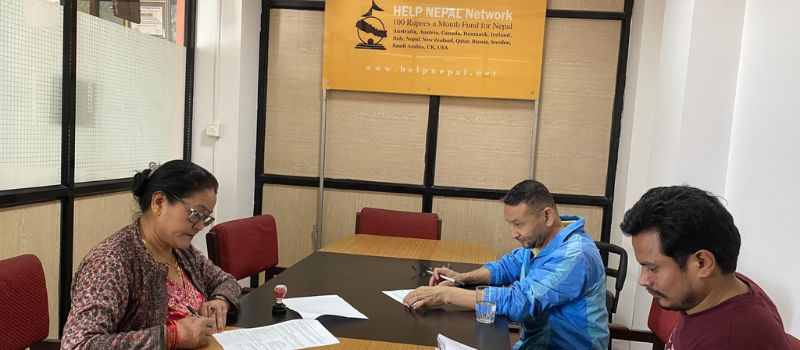
This past year, HeNN prioritised key areas, including schools, water access, and the restoration of basic dignity.
Over the past year, HeNN supported projects predominantly in Sindhupalchok, Dolakha, Dolpa, Dhulikhel, Doti, Pyuthan, Rasuwa, Achham and Baitadi. Many initiatives were practical and had a direct impact on public life. HeNN’s projects included building a library at Shree Sipatingghare Sanskrit Secondary School. Also supports salaries for 15 teachers and caretakers at Shree Rajkuleshwar Basic School, and provides financial assistance for four teachers at Panchakanya School, directly benefiting over 550 students. The digital library established at Dhulikhel Children’s Home served 120 children last year, and over 200 children received warm clothes and school bags, improving their daily school experience. Toilets, clean drinking water facilities, and educational materials were also provided to improve students’ everyday learning conditions.
Health care where it’s needed most
In Murma, Mugu, the Help Nepal Health Post delivered primary and emergency care to more than 2,000 locals over the past year, significantly improving access to medical care in an area where most residents previously had to travel long distances for even basic treatment. HeNN also supported hospitals and outreach programs. This included donating a portable ultrasound machine, an infant radiant warmer, and an emergency trolley to Bardia Municipal Hospital. Also, conducted eye camps in partnership with Tilganga Eye Hospital, and supported HPV vaccination campaigns. In Bajura, a free sanitary pad distribution program benefited 600 women and adolescent girls, addressing both health and dignity.
Standing with families in crisis
During natural disasters, including floods, landslides, and earthquakes, HeNN provided emergency assistance in Dolakha, Myagdi, Sindhupalchok, Ilam, Jajarkot, Rukum West, and Bajhang. Support included food, medicines, tarpaulins, tents, blankets and temporary shelters. Warm clothing was also distributed to children in Dang and Tanahun.
The organisation said its disaster response prioritised speed, coordination and respect for affected families.
Children, education and accountability
At Dhulikhel Help Nepal Children’s Home, 24 girls receive continuous support that covers education, healthcare, and accommodation. Sita Singh from the home achieved impressive results in both the SEE exams and Grade 12, securing a GPA of 3.24. HeNN said regular social audits, public hearings, and legal awareness sessions remain key to its operations, reinforcing transparency and community trust.

A message from the diaspora
Sydney-based international volunteer leader Dila Kharel, the Global Coordinator of HeNN’s One Dollar a Month Fund for Nepal, said living overseas has not weakened the sense of responsibility many Nepalis feel toward home.
“We may live abroad, but our connection to Nepal never fades,” Kharel said. “Even small, consistent contributions can make a real difference in someone’s life.”
Kharel, who is also involved in lecturing and research on small business in Australia, encouraged Nepali communities worldwide to see service and volunteerism as part of daily life, not just something reserved for emergencies.